
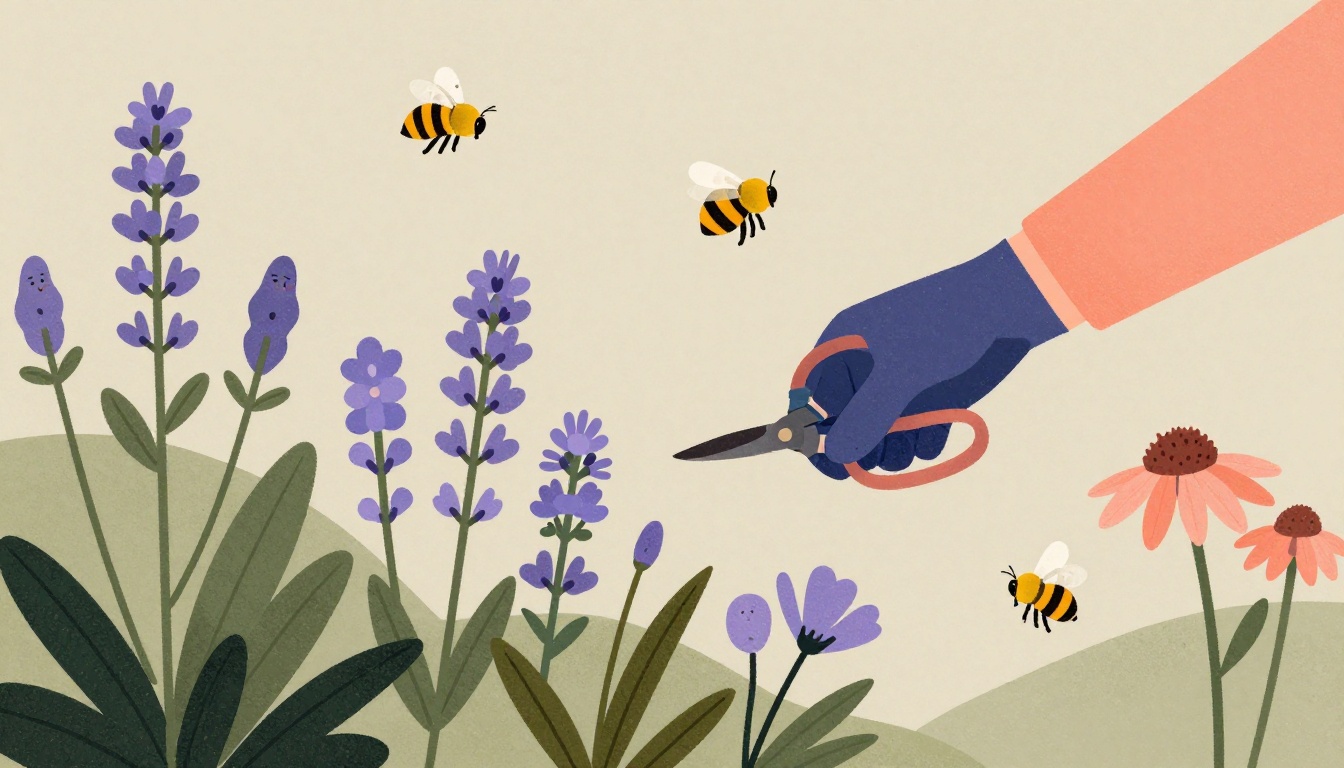
If your garden feels like a part-time job — constant watering, feeding, spraying, and replacing plants that never quite settle in — the problem is often the plant list, not your effort. Native plants evolved in your region's soil and rainfall, so once established they need less water, less fertilizer, and fewer interventions than most introduced ornamentals. They also feed the pollinators that make a garden feel alive.
According to the research, what share of plants in a pollinator-friendly landscape should be native species?
Select one answer.
Why natives cut the work
Native plants are more resilient and offer more benefits to native pollinators, and perennials come back year after year with less maintenance, according to the University of Minnesota IPM and Pollinator Conservation program. Because they are adapted to local conditions, established natives generally need less water and fertilizer and almost no fuss, as noted in this pollinator planting guide.
That does not mean "no maintenance." A native bed still needs weeding, seasonal cutting, and occasional pruning. The difference is that the work is lighter and the plants are more forgiving when you skip a week.
Start with the right plant list
Match plants to your light, soil, and moisture before you buy. A sun-loving prairie plant will struggle in shade no matter how well you care for it.
- Aim for 70–80% native species in your beds, reversing the typical suburban mix of 20–30%, per Pollinator Gardens.org.
- Include early and late bloomers so nectar and pollen are available across the whole growing season.
- Plant a mix of flower shapes and colors. Bees favor purple, yellow, and white; red tubular flowers like scarlet bee balm and cardinal flower draw butterflies and hummingbirds.
- Add host plants, not just nectar plants. Monarchs lay eggs only on milkweed, so include species such as marsh milkweed and butterfly milkweed.
- Use regionally vetted lists. Pollinator Partnership's garden recipe cards are built for small spaces and vetted for each region.
A simple seasonal care routine
Spring
- Leave fallen leaves in beds where you can; they shelter overwintering insects.
- Cut back last year's perennial stems to about 12 inches, and leave 12–18 inches of any hollow or pithy stalks so stem-nesting bees can use them, per Plant NOVA Natives.
- Weed early, before weeds set seed, and prune only damaged or dead wood.
Summer
- Water deeply and infrequently. Established natives often do fine with a thorough soaking every two to three weeks, depending on weather and soil.
- Prune lightly after flowering for shaping, and remove dead, damaged, or diseased branches first.
- Skip pesticides. They remove the insects your pollinators and birds depend on.
Fall and winter
- Resist the urge to cut everything down. Seed heads feed birds, and stalks provide nesting sites and shelter.
- Leave the cleanup until early spring, when you can see what is actually dead.
A quick checklist before you plant
- Test your soil and note sun and moisture through the day.
- Pick 5–8 native species suited to those conditions.
- Confirm bloom times cover spring through fall.
- Include at least one host plant for local butterflies or moths.
- Plan a maintenance calendar before planting day, not after.
How the Featured Expert Can Help
TerraFae Flowers offers sustainable landscape design and master pruning services, creating custom garden plans for clients. They provide DIY garden packages and full design support, emphasizing sustainability and personalized service. You can learn more at terrafaeflowers.com.
Quiz: Test your native plant knowledge
Native plants reduce maintenance mainly because they are adapted to local conditions. Which statement matches the research above?