
Introduction
Lia Romana runs TerraFae Flowers, a design practice built around the idea that a garden should be planned for the person who will actually maintain it. After confirming her inclusion in a roundup of sustainable landscape designers, she agreed to answer five questions by email about her approach to design, plant selection, and pruning.
Her answers return repeatedly to a single theme: research and patience. Whether she is choosing plants for a small city plot or explaining why a centuries-old shrub can still be tamed, the method is the same — understand how the plant grows, then work with that growth rather than against it.
Plan Smarter Pruning With TerraFae Flowers
This guidance is general gardening information, not professional horticultural advice for your specific site.
TerraFae Flowers helps homeowners design sustainable gardens and prune with confidence. Answer a few quick questions and your details go straight to the featured expert for a personal reply.
Question 1: What does sustainable landscape design look like in practice for a typical client's yard?
Romana resists the premise of a "typical" client. For her, sustainability is defined by the maintenance capacity of the person living with the garden.
"One of the best parts of my job, there is no typical client!"
She describes a spectrum of outcomes. A city client with a small garden and limited maintenance time might receive planned arrangements of potted plants. A retiree with land might receive a plan to develop a food forest over the next decade. The design brief changes with the client's available time and energy, not with a fixed aesthetic template.
"The only consistency with my clients is change."
That framing is useful for homeowners planning a project. Before choosing plants, it helps to honestly assess how many hours a week the garden will realistically receive — and to plan for how that number may shift over the years.
Question 2: How do you decide which plants belong in a custom garden plan?
Romana treats plant selection as a research task first and a design task second. The right plant, in her description, has to satisfy two sets of requirements at once: what the client wants, and what the site and soil can support.
"The right plant will bring everything the client may want; color, pollinators, edibility, shade, while also benefitting the garden itself- soil structure, pest management etc."
The second half of that equation is where sustainable design separates itself from simple planting. A species that feeds pollinators or improves soil structure is doing work beyond its visual role. Extension guidance on pruning trees in the home landscape makes a related point about matching plants to site conditions, noting that size-reduction pruning is often a sign that the wrong tree was chosen for a location in the first place.
Romana's test is maintenance load. A plant only belongs in the plan if the resulting upkeep stays manageable for that specific client.
"This way the garden thrives from the ground up, soil to gardener."
Question 3: What is master pruning, and how is it different from regular trimming?
This is the question closest to the publication's name, and Romana's answer is deliberately deflationary about technique. Master pruning, she says, is visible in bonsai and in statement trees such as Japanese Maple, Larch, or Japanese Black Pine. But the difference from ordinary trimming is not a secret tool or a special cut.
"Yet the only difference between Master Pruning and trimming is research; time dedicated to learning exactly how plants react to damage (like getting pruned)."
That emphasis on plant response aligns with how arboricultural references frame the subject. The Pruning Fundamentals article in Arboriculture & Urban Forestry describes pruning as the removal of plant parts that influences future growth, and argues that capitalizing on a tree's natural growth habits is the way to minimize how much pruning is needed. Structural pruning resources make a similar case for working with a tree's architecture rather than against it, particularly when pruning young trees to establish a strong framework early.
Romana adds a long-term dimension that routine trimming rarely considers.
"Master Pruning will also drastically change the appearance of the plant over time, while increasing its health and longevity."
Question 4: What are the most common pruning mistakes you see homeowners make?
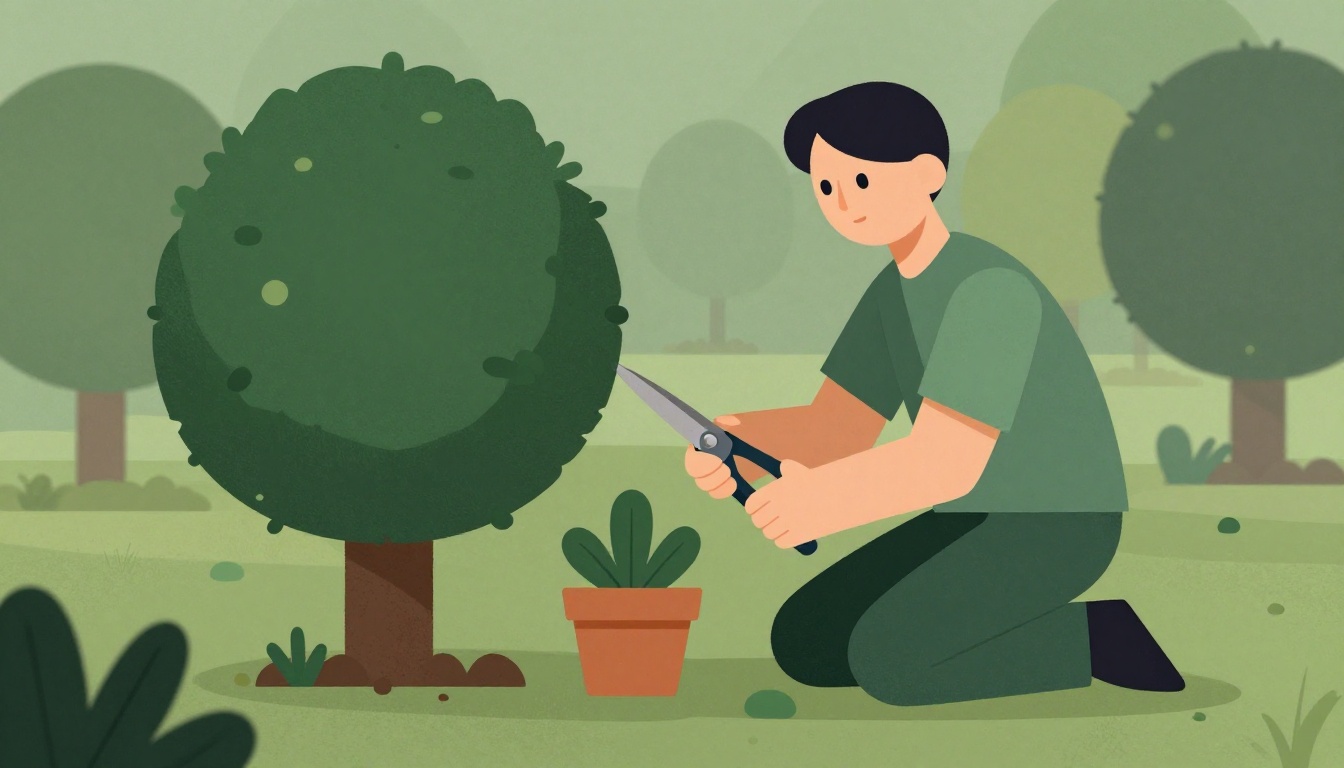
Romana identifies two opposite failures. Some homeowners are paralyzed by overgrown plants and never cut anything. Others shear, removing the outer growth uniformly rather than making selective cuts.
"Both have negative health impacts for the plant and the garden space."
Her prescription is modest and practical: better tools and more restraint.
"Most homeowners just need sharper shears and more patience, during the pruning and afterwards."
The patience applies after the cut as much as during it. A plant's response to pruning unfolds over seasons, and judging the result too early can lead to corrective cuts that compound the original problem. Romana points out that even a mature shrub can be brought back into form gradually.
"Even a centuries old Rhododendron can be tamed, a few cuts at a time."
That incremental approach is consistent with common guidance to avoid removing too much live growth in a single season and to make several small cuts rather than one large one.
Question 5: How do your DIY garden packages work for someone who wants to do the planting themselves?
Every design Romana produces is planned for self-installation. Clients receive a detailed plan covering each step of the process and an estimate of how long it will take, calibrated to their availability and the maintenance time they have allotted.
"From sourcing and budgeting to installation, each design is extremely variable and tailored to my clients dreams and what they can sustain."
The timeline is flexible by design. Installation may stretch across years or fit into a single short season, depending on the client. Romana frames the payoff in terms of both personal satisfaction and ecological benefit.
"This connection and tether to a garden space they've fully created themselves is extremely rewarding, not just as a sense of accomplishment, but also as it benefits our shared natural world."
Her closing line summarizes the whole approach.
"True sustainability comes from a harmonious garden."
Key Takeaways
- Sustainable design starts with an honest assessment of how much time and energy the client can give the garden.
- Plant selection should satisfy both client goals and site conditions, with maintenance load as the deciding factor.
- Master pruning differs from trimming mainly through research into how a specific plant responds to cuts.
- The two most common homeowner errors are avoiding pruning entirely and shearing indiscriminately; sharper tools and patience address both.
- Self-installation plans work best when they include sourcing, budgeting, and a realistic timeline tied to the client's available maintenance time.