
Which mulch depth does SDSU Extension recommend to lower soil temperature and protect plants from heat stress?
Select one answer.
Why temperature swings hurt plants
Plants grow best within a fairly narrow temperature band. Most grow well between roughly 59°F and 86°F, and when temperatures climb above 90°F for long stretches, growth slows and stress symptoms appear. Above 104°F, many plants survive but show visible damage depending on species, maturity, and whether drought or wind is also present (OSU Extension).
Frost works the opposite way but causes similar harm. When temperatures drop low enough to form frost, ice forms on leaves and freezes the fluids inside plant cells. Those fluids expand, rupture cell membranes, and kill the tissue. Damaged leaves turn brown or black, soften, and cannot recover (Heinz Brothers).
The practical takeaway: both problems are about protecting plant tissue from extreme air and soil temperatures. The same few habits — mulch, water timing, shade, and covers — solve most of it.
Watch for the early signs
Catching stress early gives you time to act. Look for:
- Heat stress: leaf rolling, wilting, curled or dried leaf edges, reddish or pale coloration as chlorophyll breaks down, and leaf scorch (Rutgers Plant & Pest Advisory).
- Heat stress in vegetables: blossom drop in tomatoes, peppers, squash, melons, cucumbers, beans, and pumpkins; cool-season crops like broccoli bolting (SDSU Extension).
- Frost damage: brown or black softened leaves, and dieback on tender plants after a cold night.
Natural heat protection
1. Water deeply, early
Water thoroughly in the early morning or evening before extreme temperatures arrive. Water deeply and use methods that minimize leaf wetness to reduce foliar disease risk (Rutgers). Avoid sprinklers in high heat — spot water at the base of plants so moisture reaches roots instead of evaporating (Piedmont Master Gardeners).
2. Mulch to cool the soil
A layer of four to six inches of straw, pine needles, leaves, or grass clippings lowers soil temperature and reduces evaporation (SDSU Extension). Organic mulches like bark, leaf, and straw lower root-zone temperature, while gravel mulches can actually raise it. Water newly mulched plants so dry mulch doesn't pull moisture from the roots (Rutgers).
3. Provide shade
Shade keeps soil cooler, helps it retain moisture, and shields plants from direct sun. Shade cloth or netting is a common way to mitigate heat stress on vegetables and small fruits (UD Cooperative Extension).
4. Stop adding stress
During heat waves, don't plant or transplant, don't prune trees and shrubs, wait to fertilize, and don't apply chemicals (OSU Extension). Fertilizing during heat stress can pull moisture from the root zone.
Natural frost protection
1. Cover plants
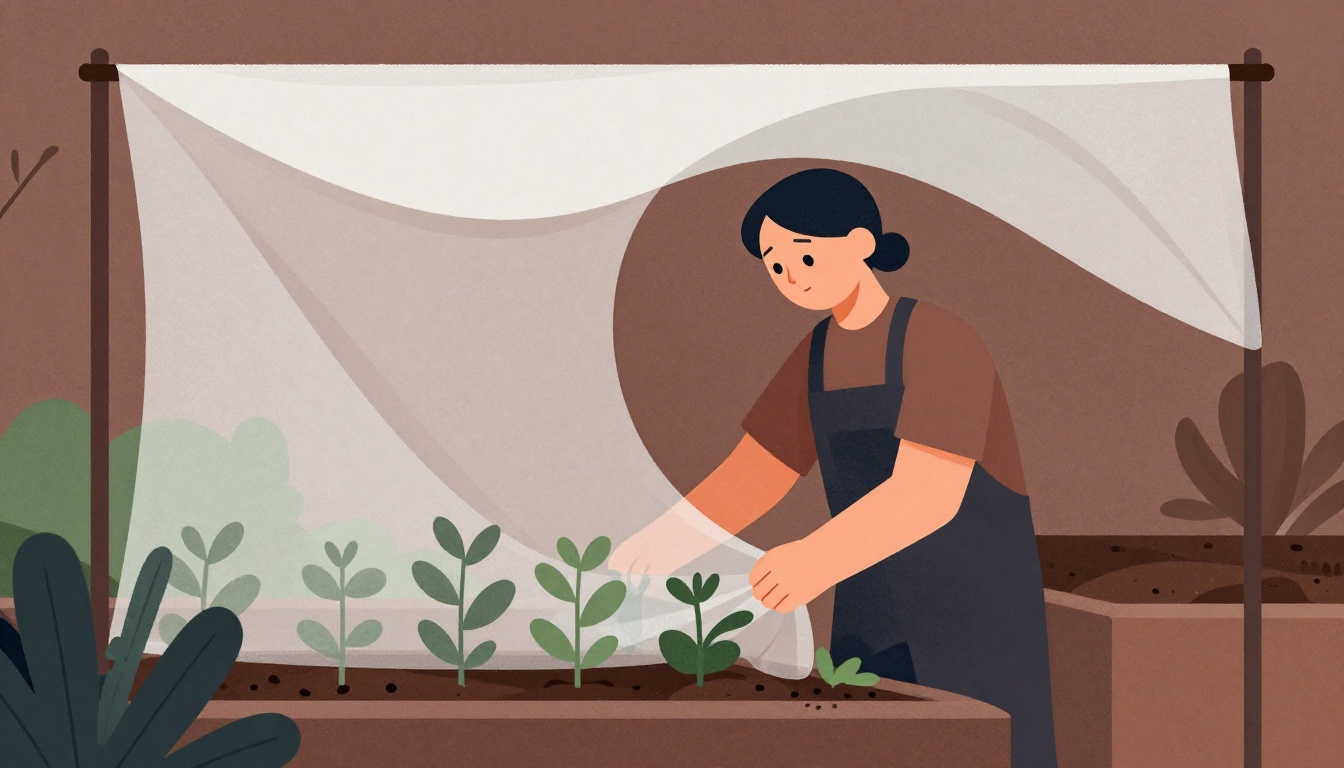
Covering is the most familiar and one of the most effective frost methods. Use frost fabric, blankets, or tarps over tender plants (Heinz Brothers).
2. Mulch and water before cold
Mulch insulates roots. Watering before a cold night matters too: cold temperatures plus dry soil is double trouble, so water cold-hardy plants before the temperature drops.
3. Cluster and move containers
Group containers together for shared warmth, and bring tender container plants inside when frost threatens.
A quick seasonal checklist
- Check soil moisture before heat or cold arrives.
- Water deeply in early morning or evening.
- Refresh mulch to 4–6 inches of organic material.
- Set up shade cloth before a heat wave.
- Keep frost fabric or blankets ready for cold nights.
- Pause planting, pruning, fertilizing, and chemicals during heat stress.
- Harvest ripe produce promptly to save plant energy.
How the Featured Expert Can Help
TerraFae Flowers offers sustainable landscape design and master pruning services, creating custom garden plans for clients. They provide DIY garden packages and full design support, emphasizing sustainability and personalized service. Learn more at terrafaeflowers.com.
Test your knowledge
Which mulch depth does SDSU Extension recommend to lower soil temperature and protect plants from heat stress?
- A. One to two inches
- B. Four to six inches
- C. Eight to ten inches